Total Wine & More. A retailer that challenges trends.
We are living in a moment when the logic of consumption is driven by convenience. People seek streamlined journeys, try to solve everything at once, save time wherever possible, and avoid any detour that feels like extra effort. In this context, the supermarket has become the central axis of the weekly routine, and, naturally, almost all purchases are concentrated there. Data clearly shows this. In Brazil, about 80% of self-service food retail occurs in supermarkets, according to ABRAS and Lloyds, and more than half of food and beverage purchases by urban households are made in these stores, according to a study published in PMC. In the United States, the phenomenon is similar. Supermarkets and grocery stores account for around 90% of food sales in physical retail, according to the USDA. In other words, in both Brazil and the United States, the supermarket is the primary supply channel.
As they recognized their growing relevance in people’s lives, supermarkets wisely began offering a broader range of specialized products and services, most of which were connected to omnichannel models. Speaking specifically about beverages, the evolution of wine sections in food retail is evident. Once considered irrelevant, they now occupy prime areas and receive significant investment in both assortment and services. The numbers confirm this transformation. In the United States, supermarkets and grocery stores already account for around 90% of physical food retail sales, according to the USDA, and have expanded their share of wine and alcoholic beverage sales. NielsenIQ shows that food retail accounts for approximately 42% of wine sales by value in certain metrics, alongside strong growth in premium wines. Sales of labels priced above US$10 in supermarkets reached US$4.8 billion in 2023, a 34% increase compared to 2019, according to an analysis published by VinePair.
In Brazil, the trend is similar. Red wine, which once had a modest presence in supermarkets, now accounts for more than 80% of unit sales of alcoholic beverages in the food retail channel, according to SuperVarejo. Wine consumption grew 11.6% between 2022 and 2023, according to data compiled by the OIV and specialized media, and much of this growth is concentrated precisely in supermarkets, which have become the main purchase point for the category. This movement puts direct pressure on specialty stores, as consumers increasingly find variety, convenience, and services in food retail, a channel they already visit several times a month.
To attract someone who already solves much of life through a single channel, it is necessary to offer more than a product. It has to be worth the visit. This is the boundary that separates what is interesting from what is irrelevant. And it is exactly on this boundary that Total Wine & More positions itself.
A family business that became a national giant
The history of Total Wine begins in 1991, in Claymont, Delaware, when brothers David and Robert Trone transformed the family’s small gas station into the seed of a business that would change beverage retail in the United States. After their parents’ farm in Pennsylvania went bankrupt, the station was all that remained. With discipline and a keen eye for consumer behavior, the brothers grew patiently. They never opened a second store before making the first profitable. They never closed a unit. The result of this patient construction is a family-owned, privately held network with 290 superstores across thirty states and the District of Columbia. The company generates more than six billion dollars annually and employs over eleven thousand people. Today, Total Wine sells more alcoholic beverages than Costco and Albertsons, two of the largest retailers in the U.S.
What’s the twist?
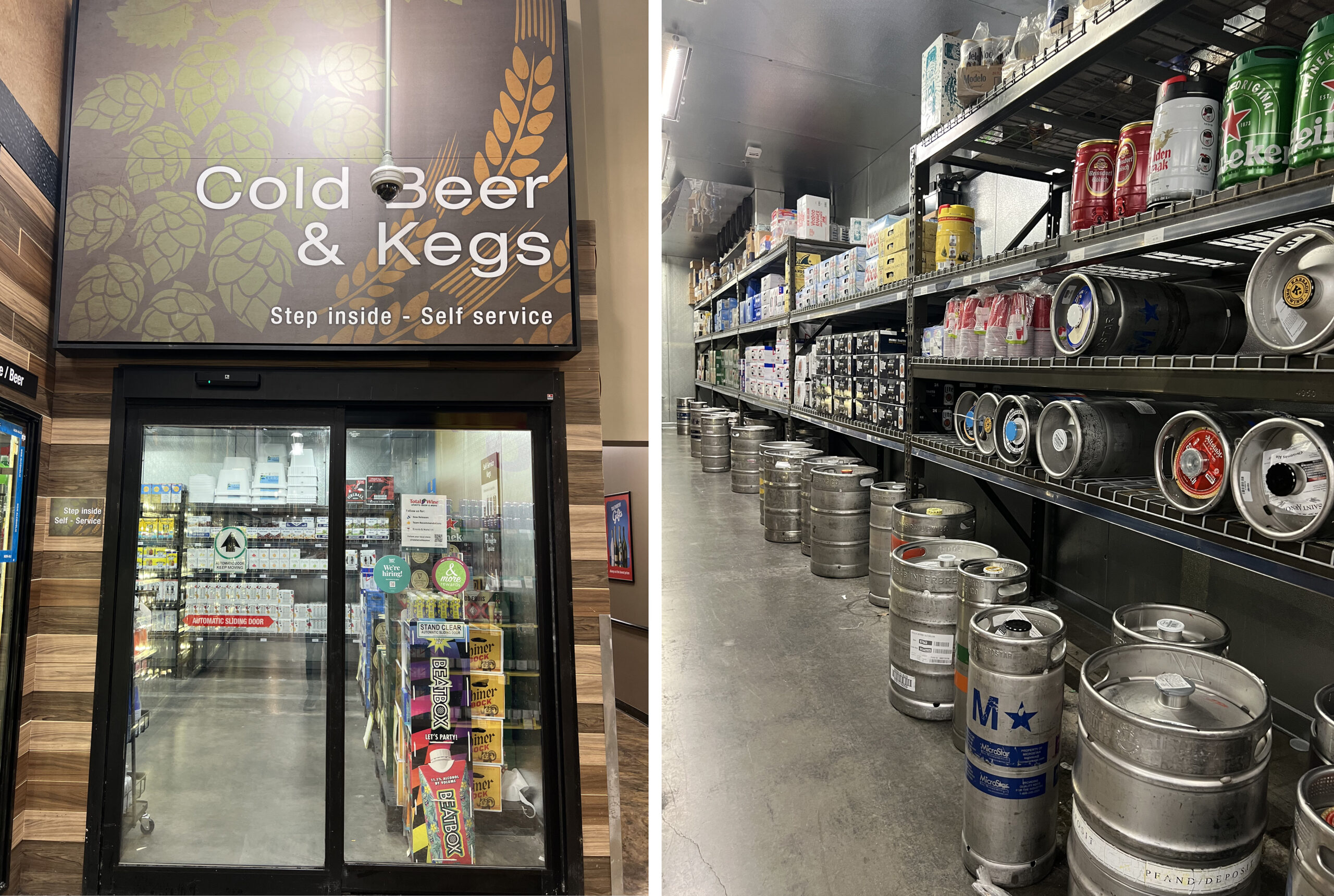
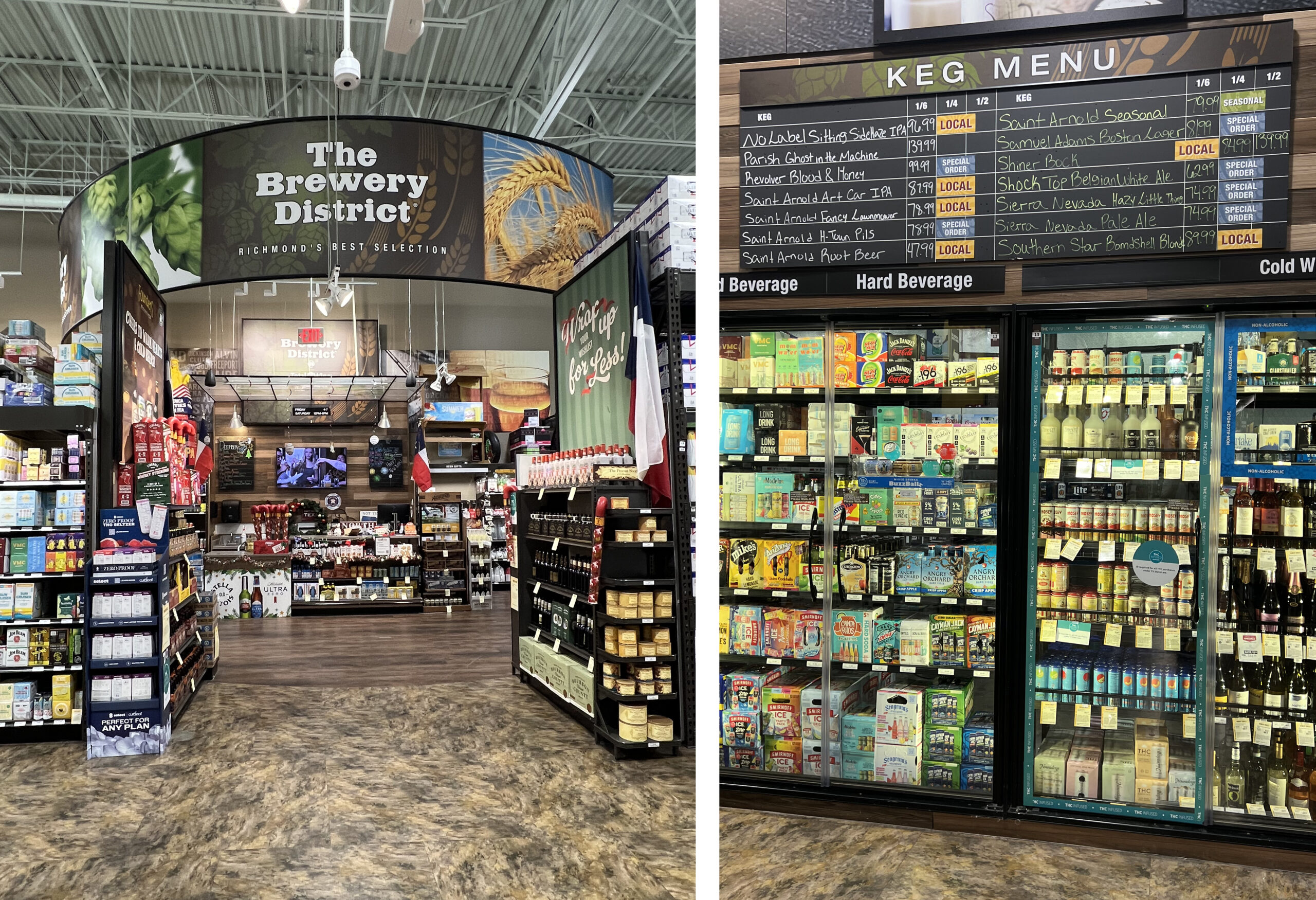
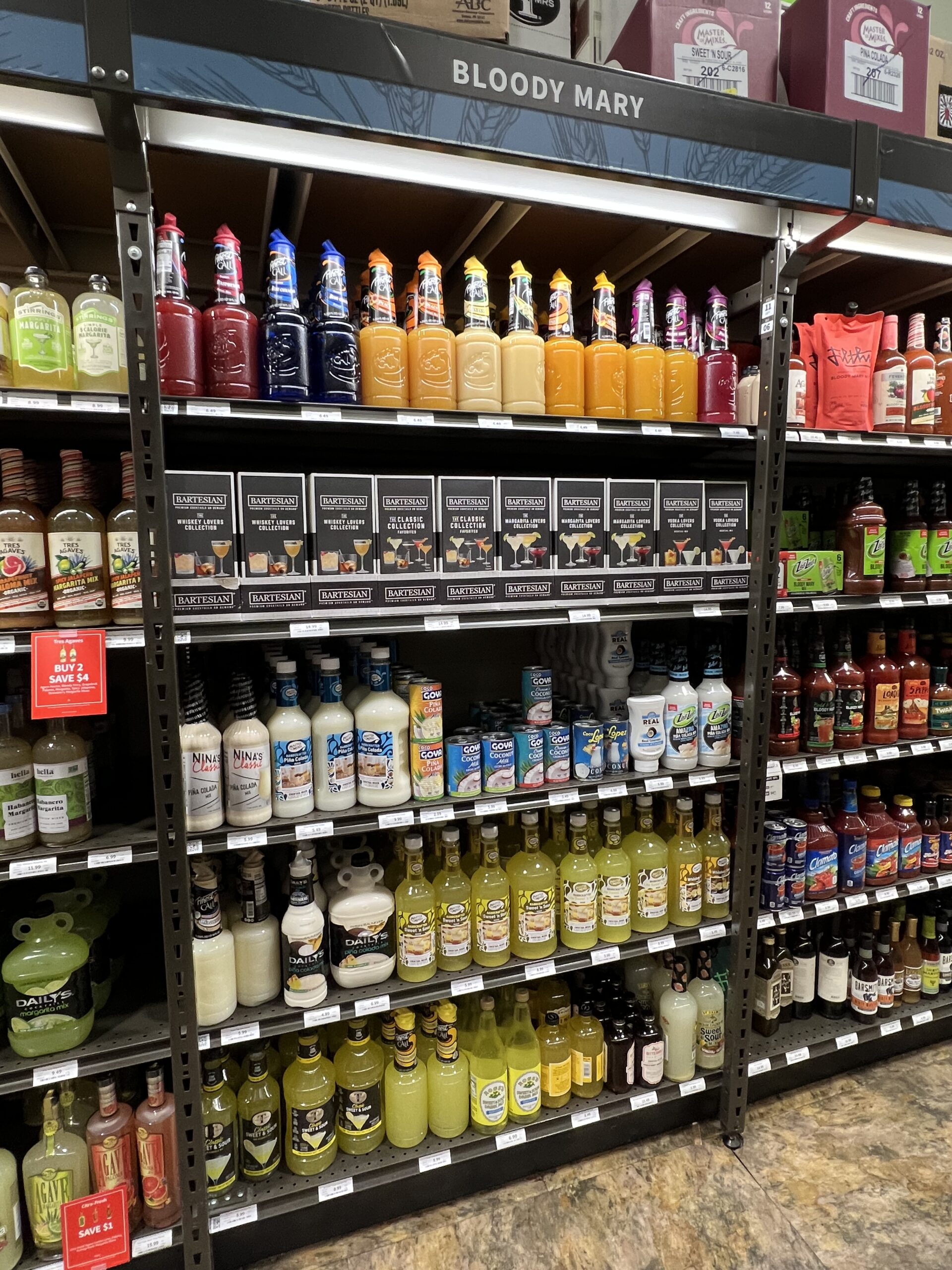
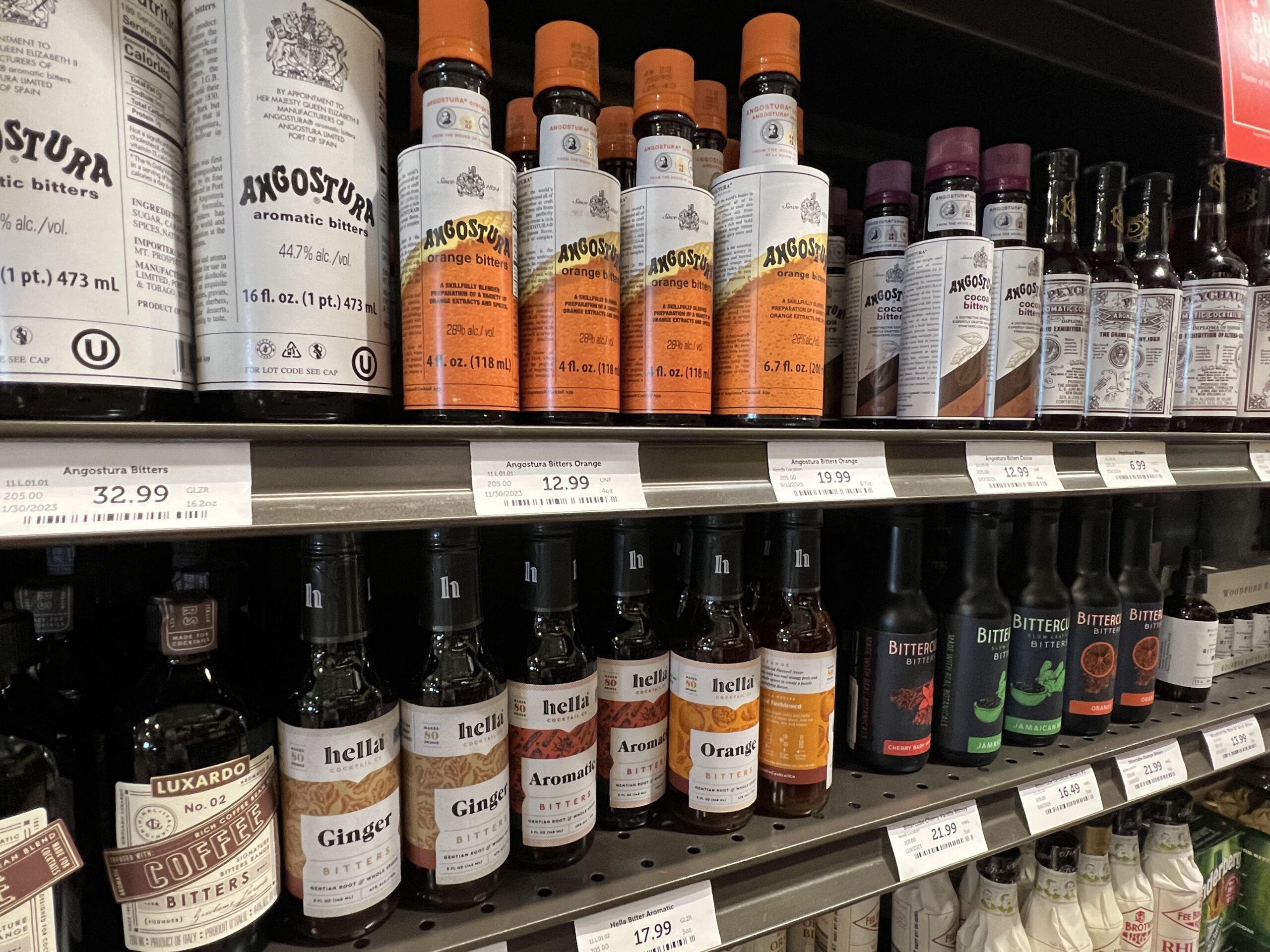
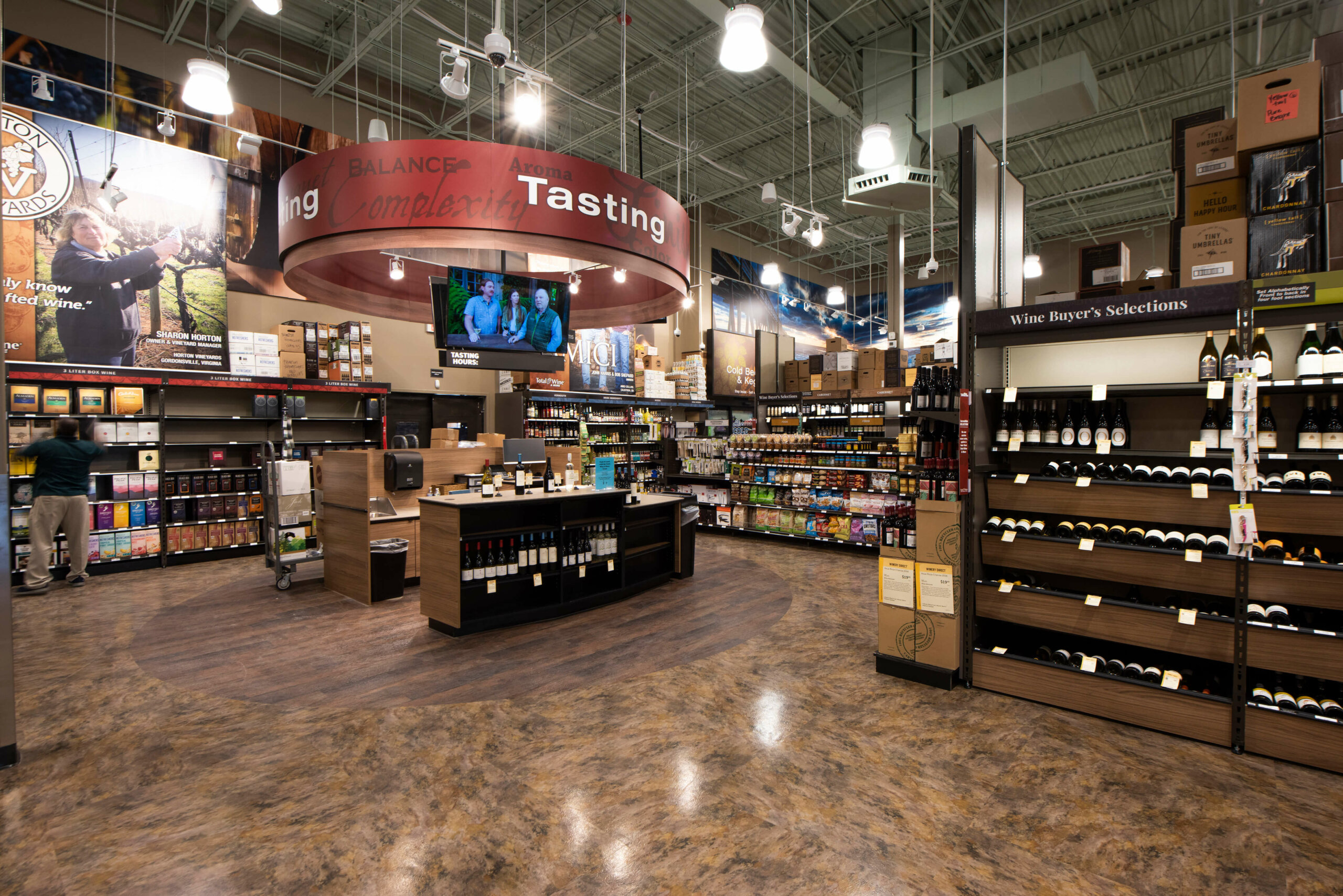
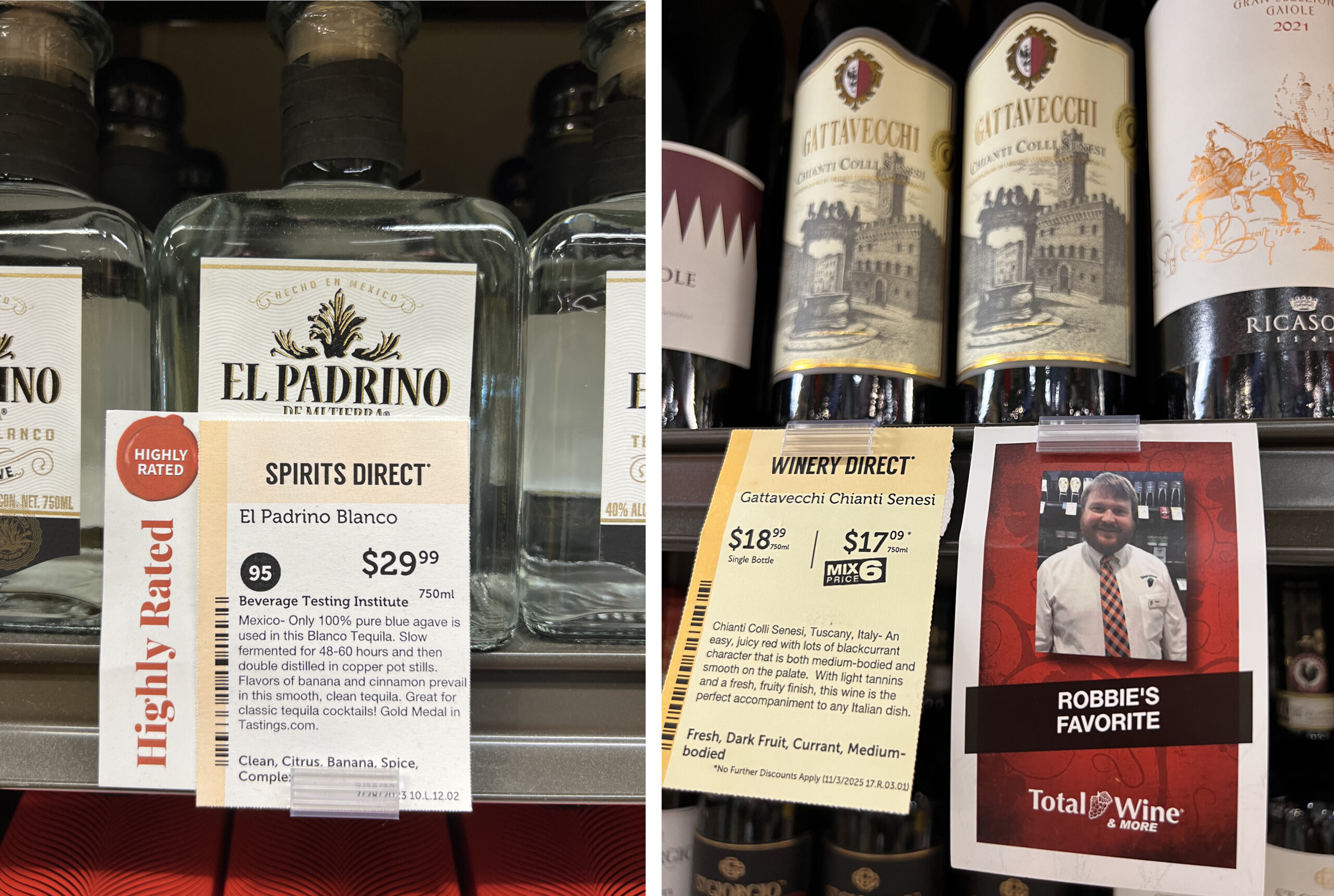
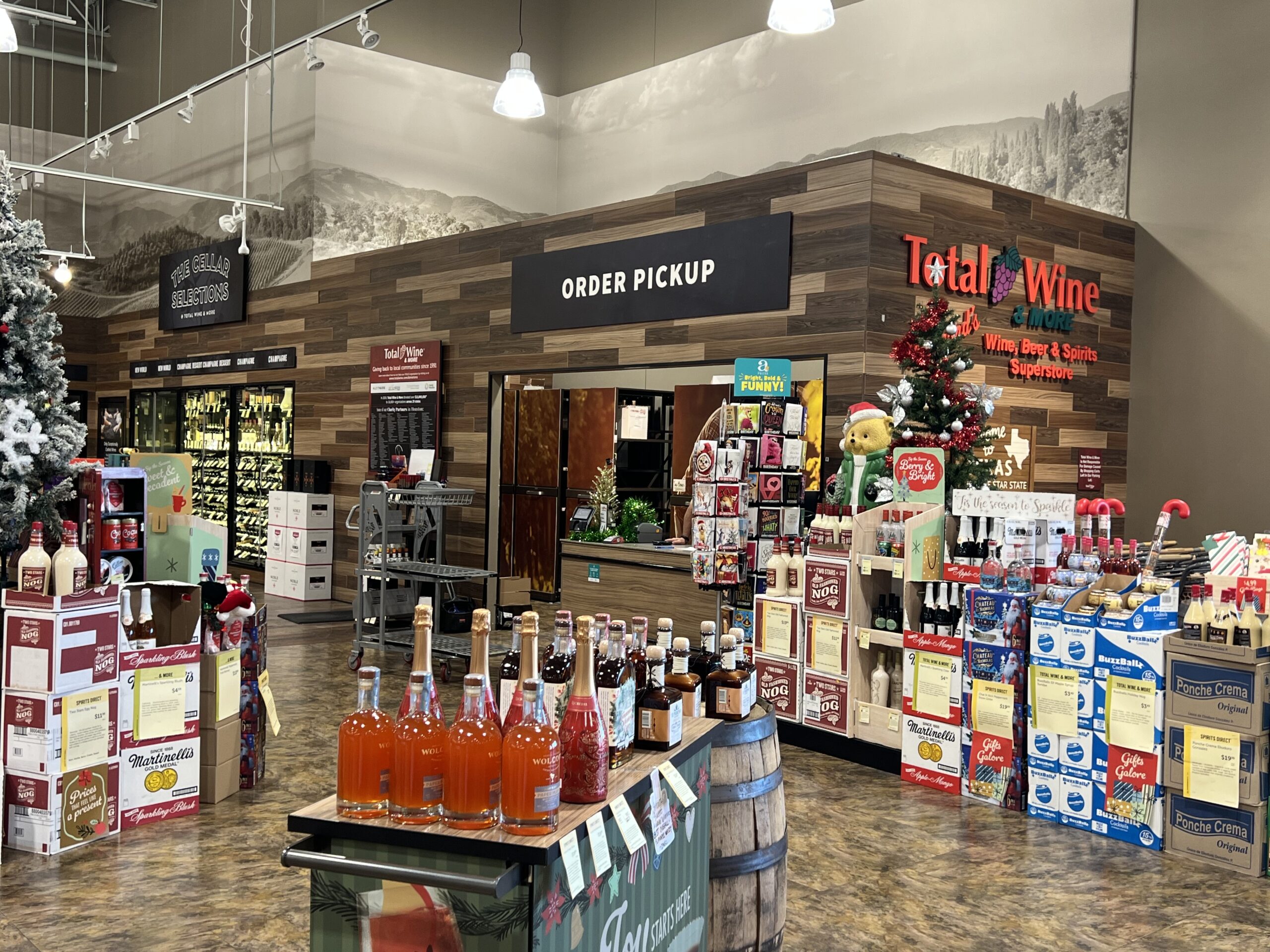
The initial impact of a Total Wine store, and one of the brand’s main pillars, is the breadth of its portfolio. There are more than eight thousand wine labels, two thousand five hundred beer labels, and around five thousand spirits options. But what truly impresses is the organization’s intelligence. Category management is extremely well executed, turning the shopping journey into a stroll. Varietals are grouped logically and intuitively, bridging the Old World-New World divide. Visual merchandising is rich, guiding, and humanized. There are brief descriptions of every product. Yes, everyone. This underscores the importance placed on portfolio selection and the respect for each label on the shelf, reflecting a careful curation process. In addition to descriptions, many products also receive highlights and recommendations from the store’s team of specialists. This VM technique has been proven to drive conversion and adds a human touch in an era when digitalization dominates corporate discourse.
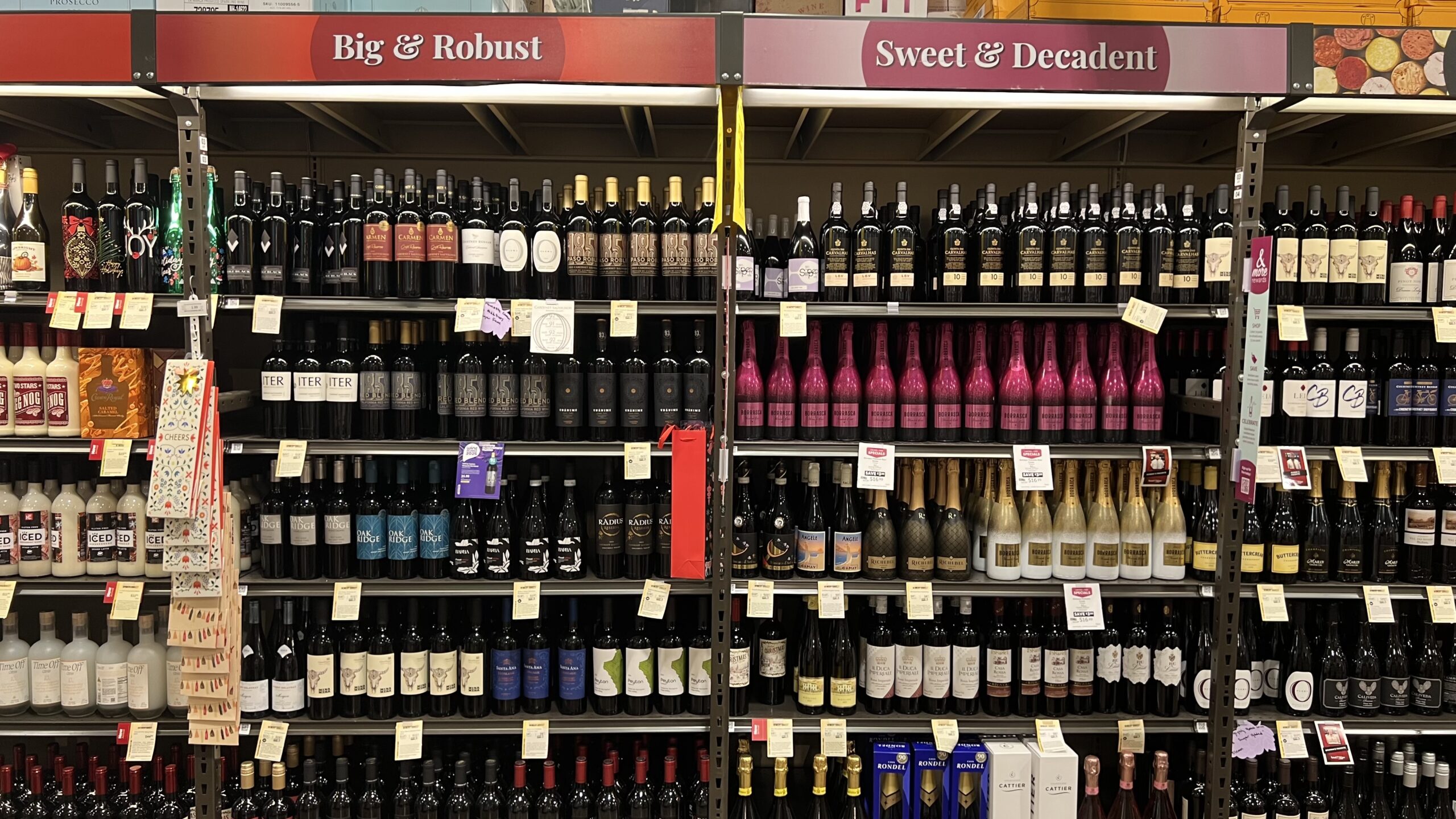
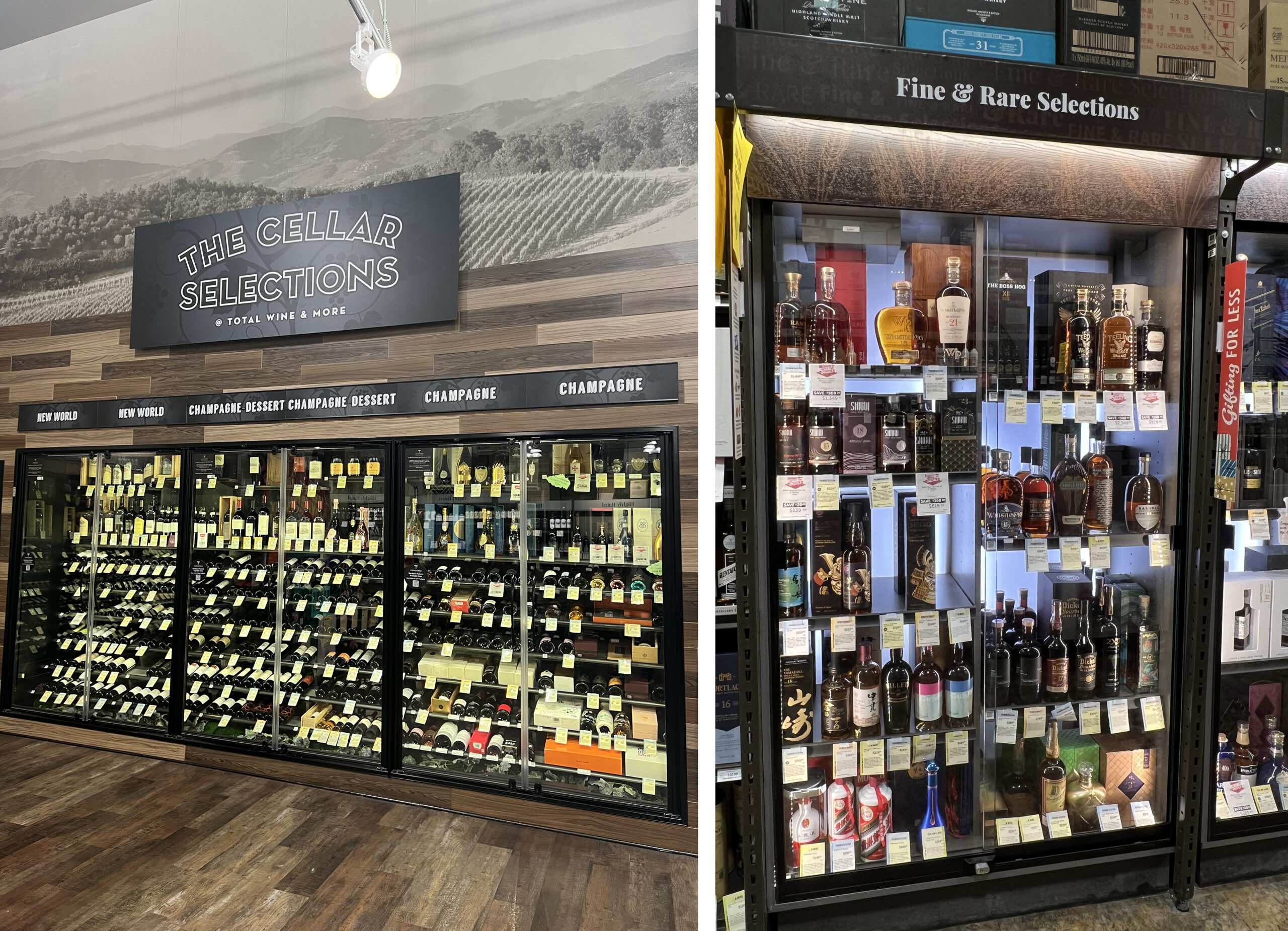
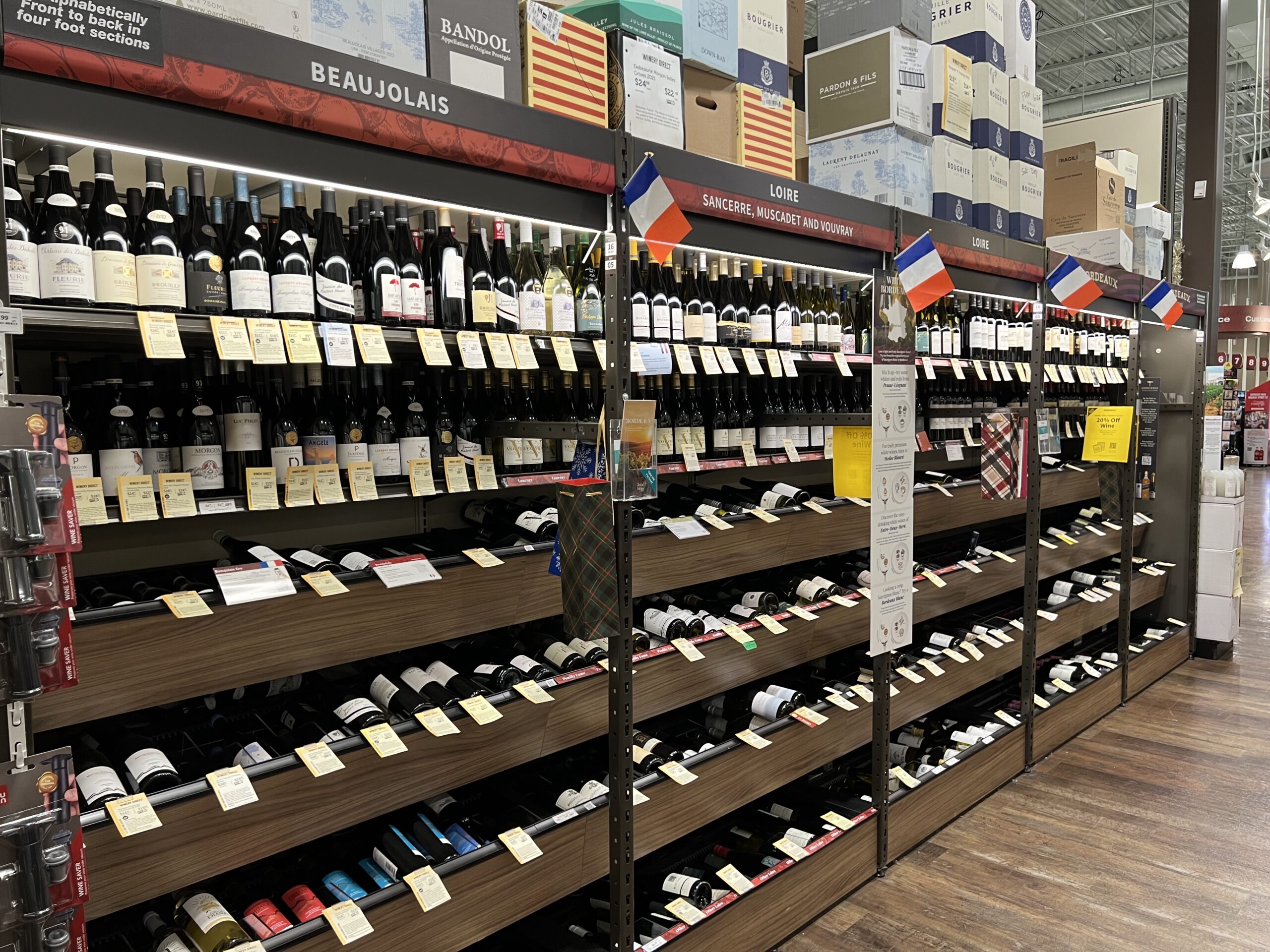
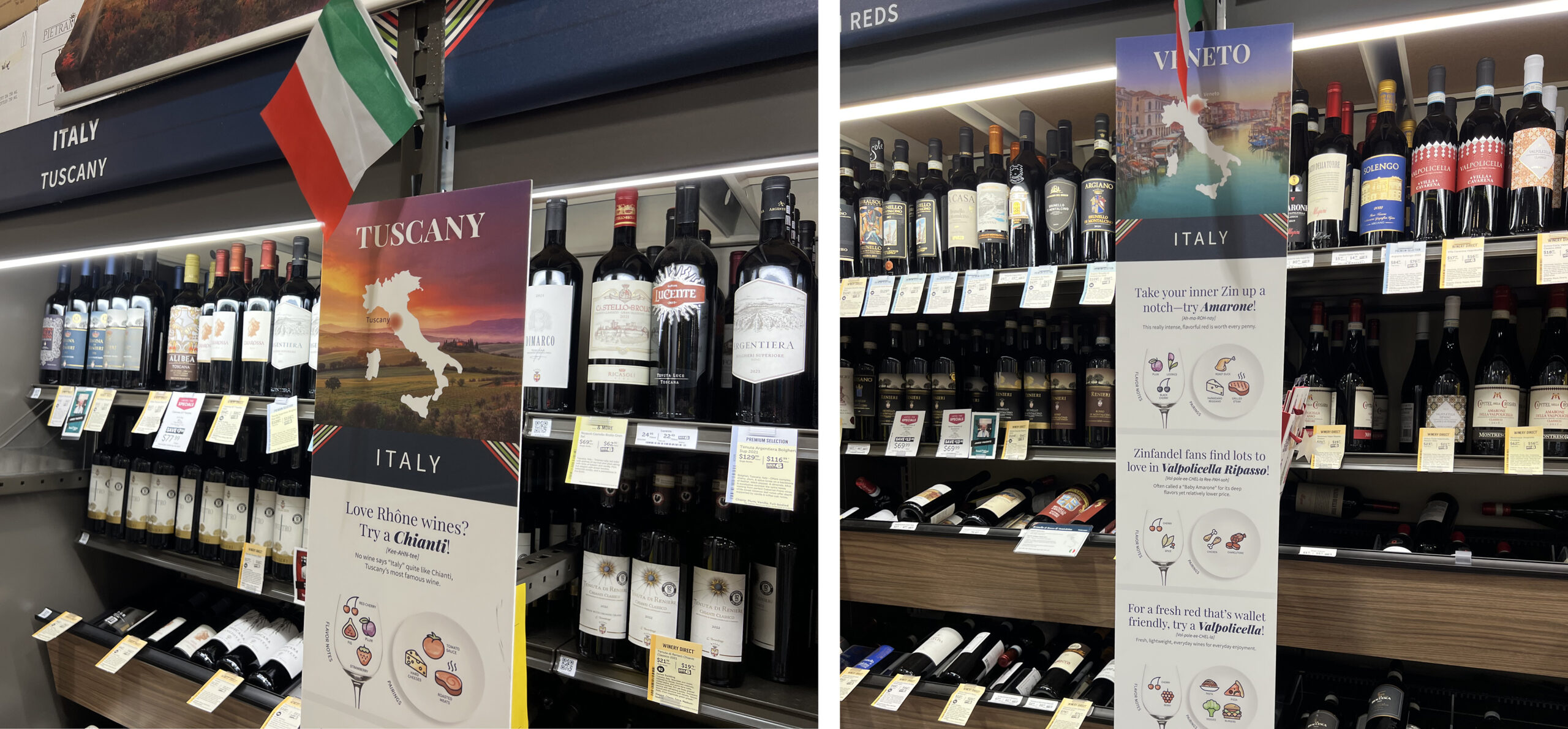
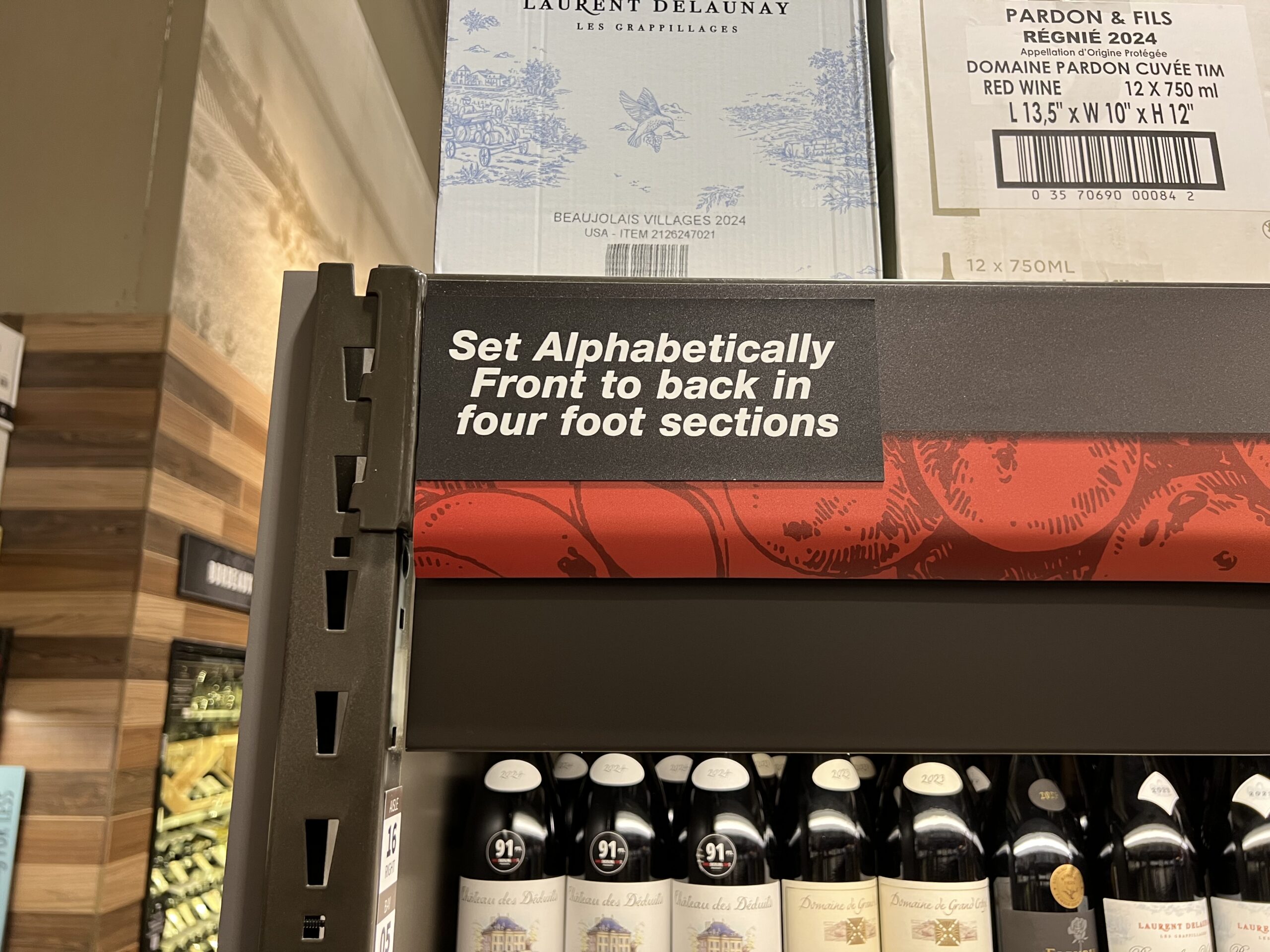
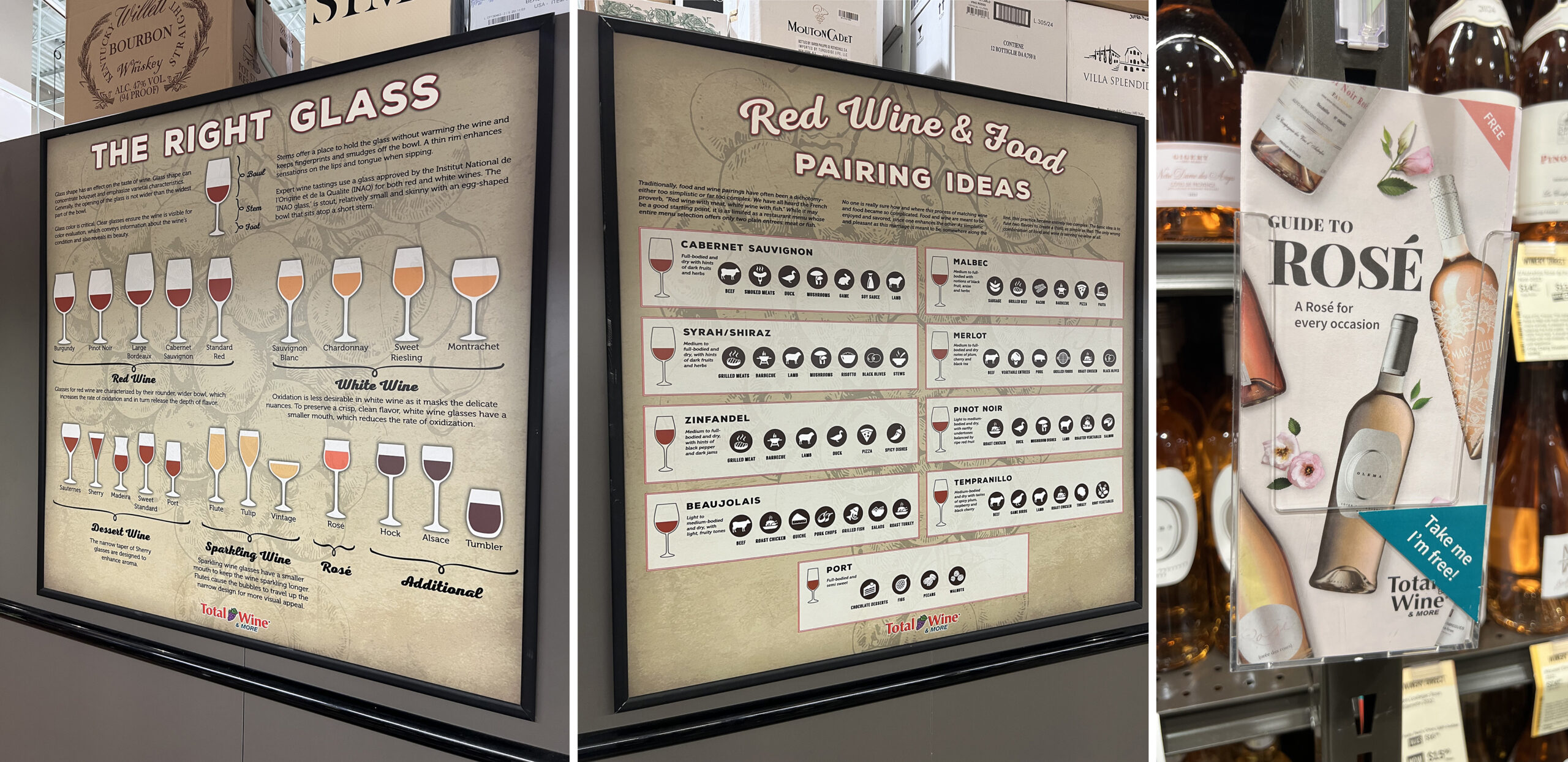
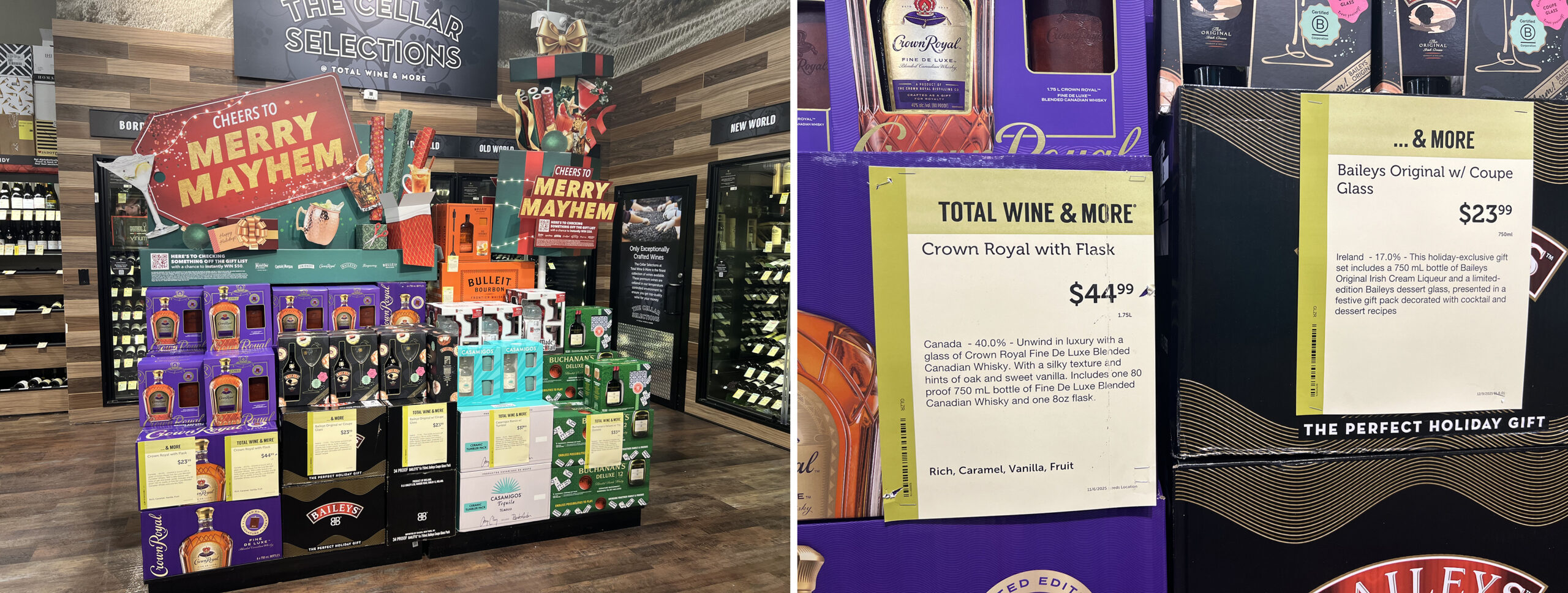
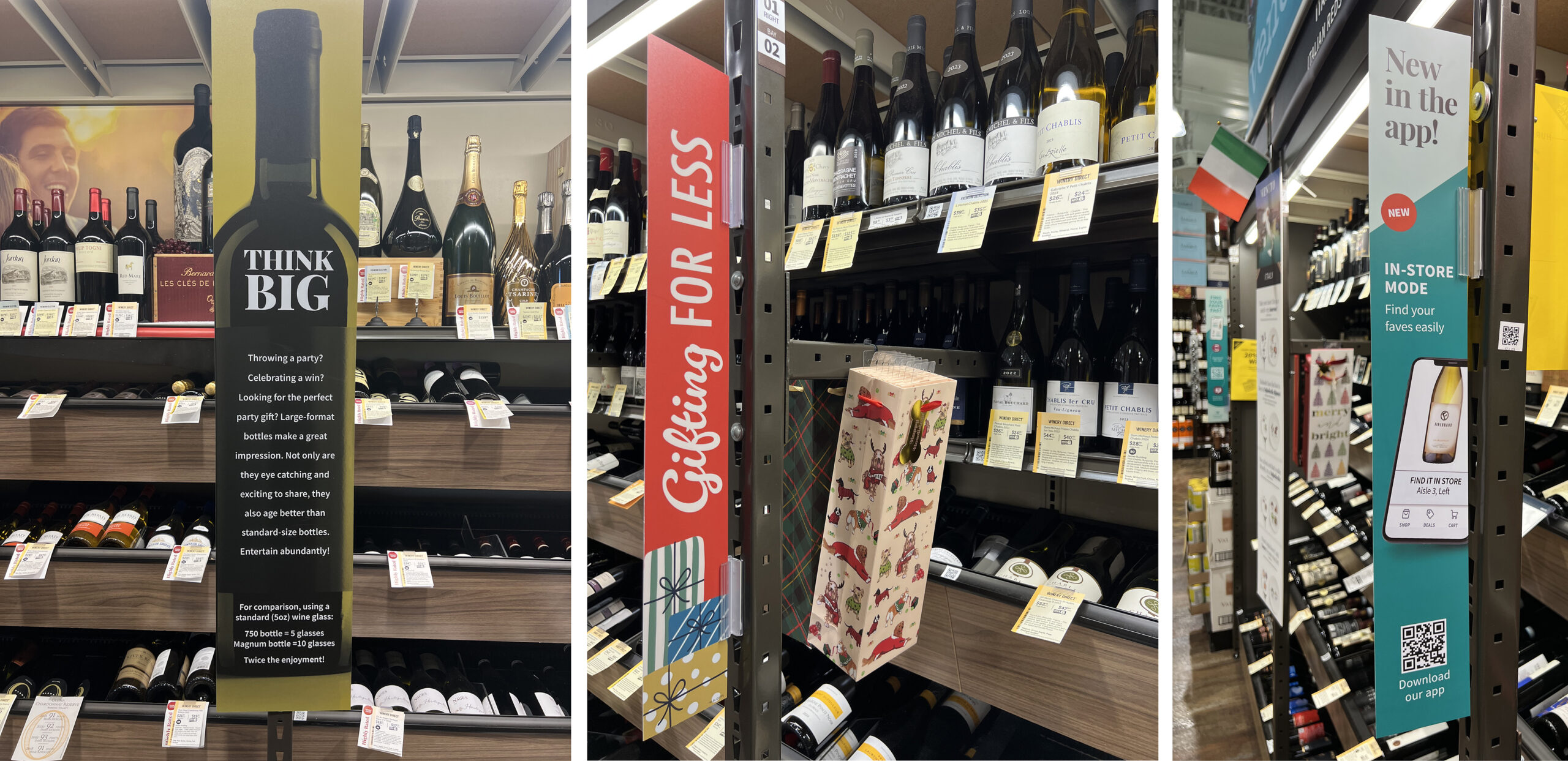
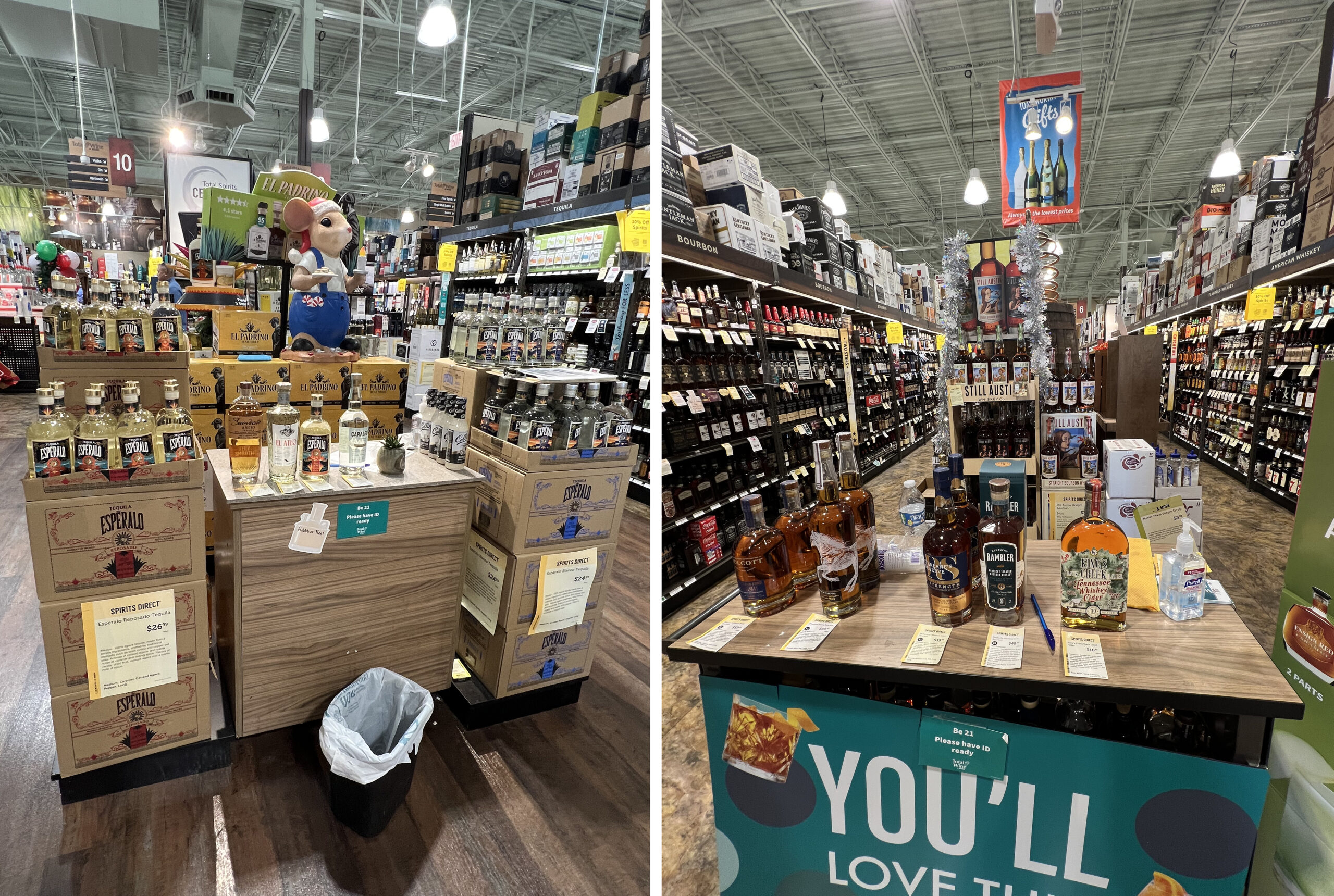
Wide aisles facilitate navigation and product location and neatly organize tasting areas. In fact, this is one of Total Wine’s major attractions. There is always someone inviting customers to discover and sample something. Promotions and extra points are clearly signposted.
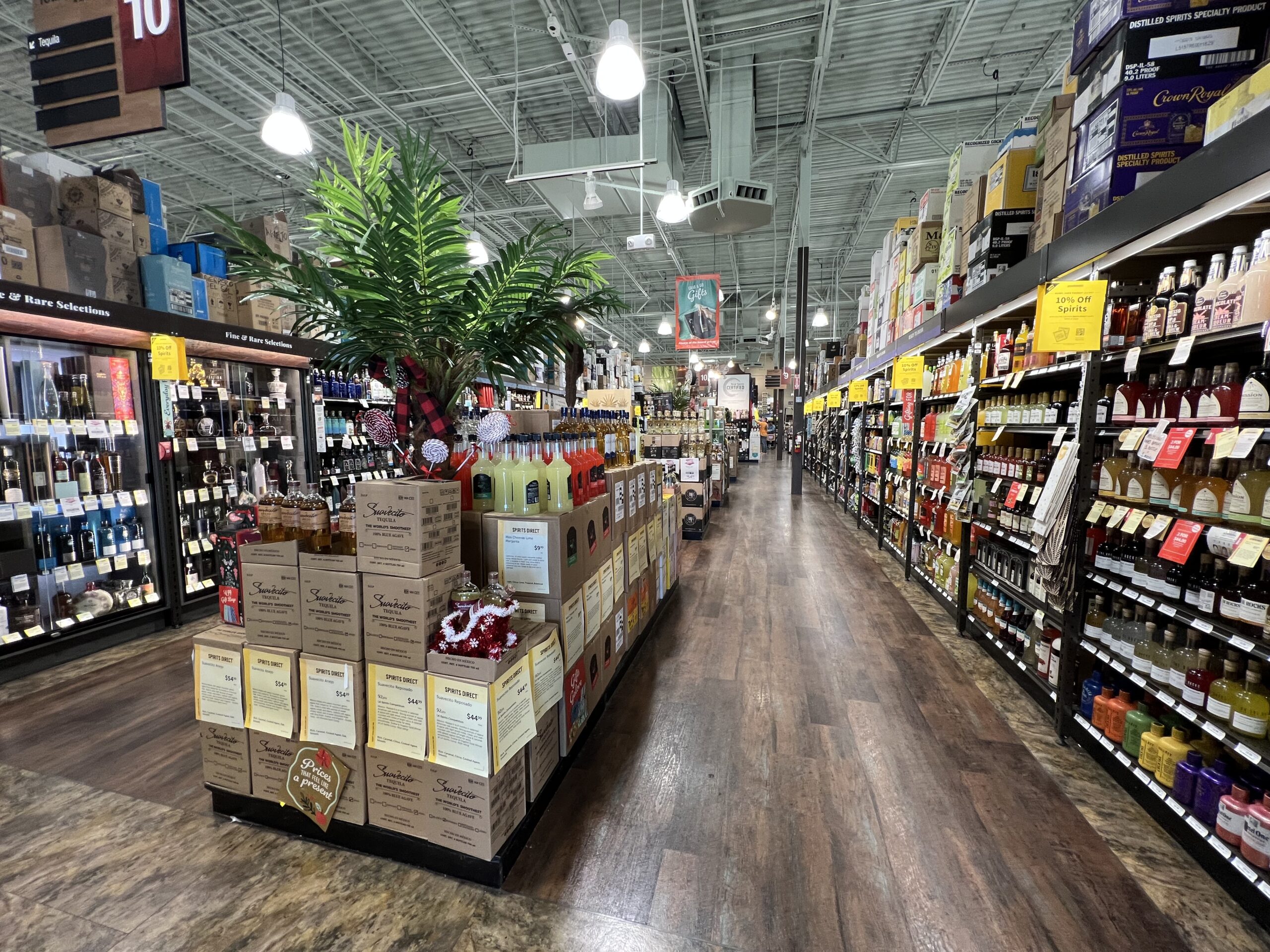
From an aesthetic standpoint, Total Wine stores are not sophisticated, and the brand does not position itself as a boutique specialist. To reinforce its value-for-money strategy and competitive pricing, one of the brand’s main differentiators and a key driver of traffic, the environment presents itself as a beverage warehouse. Above the shelves, product boxes are stacked to form a visual barrier that reflects the vast assortment. This strategy creates direct associations with low prices.
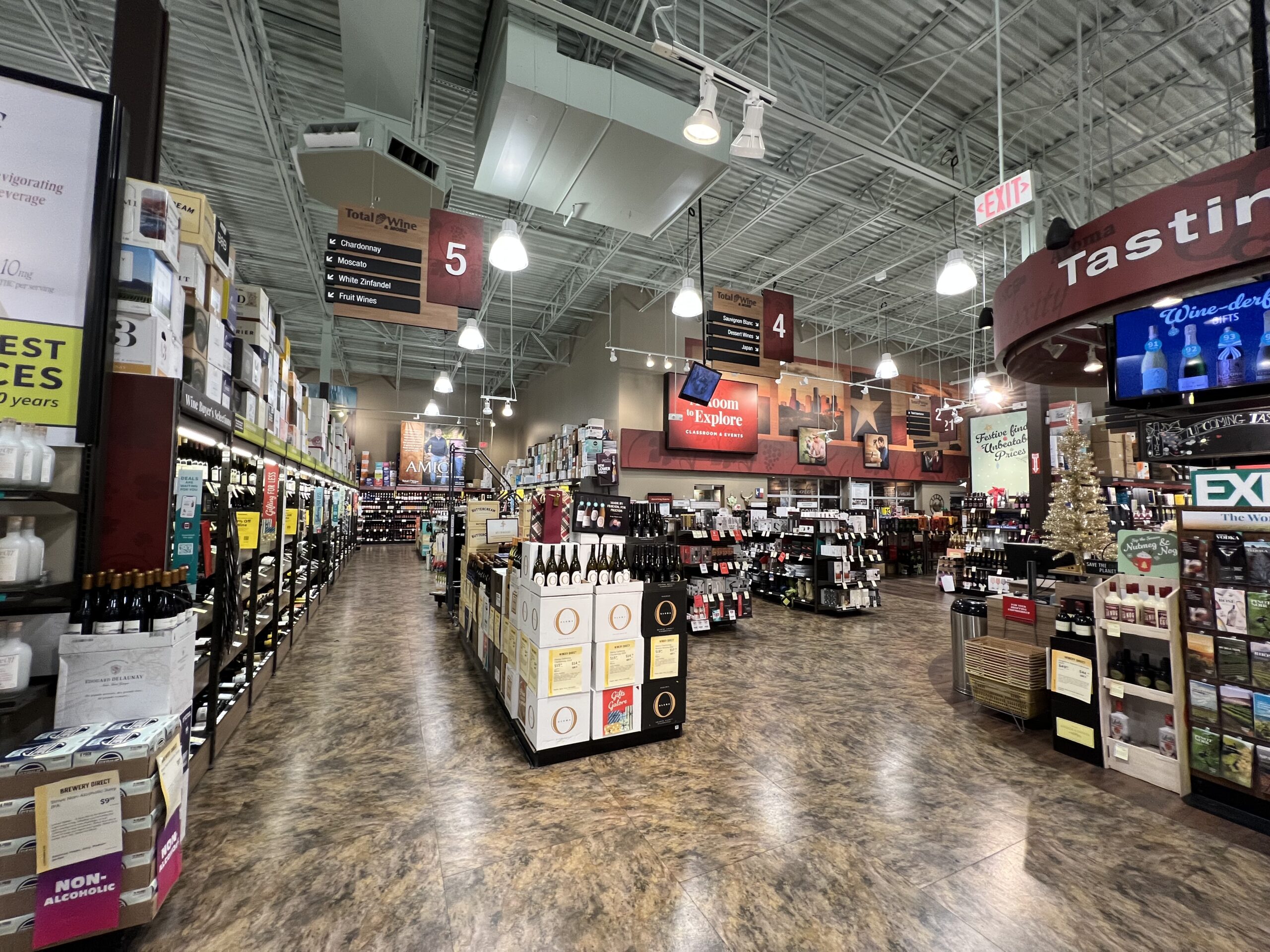
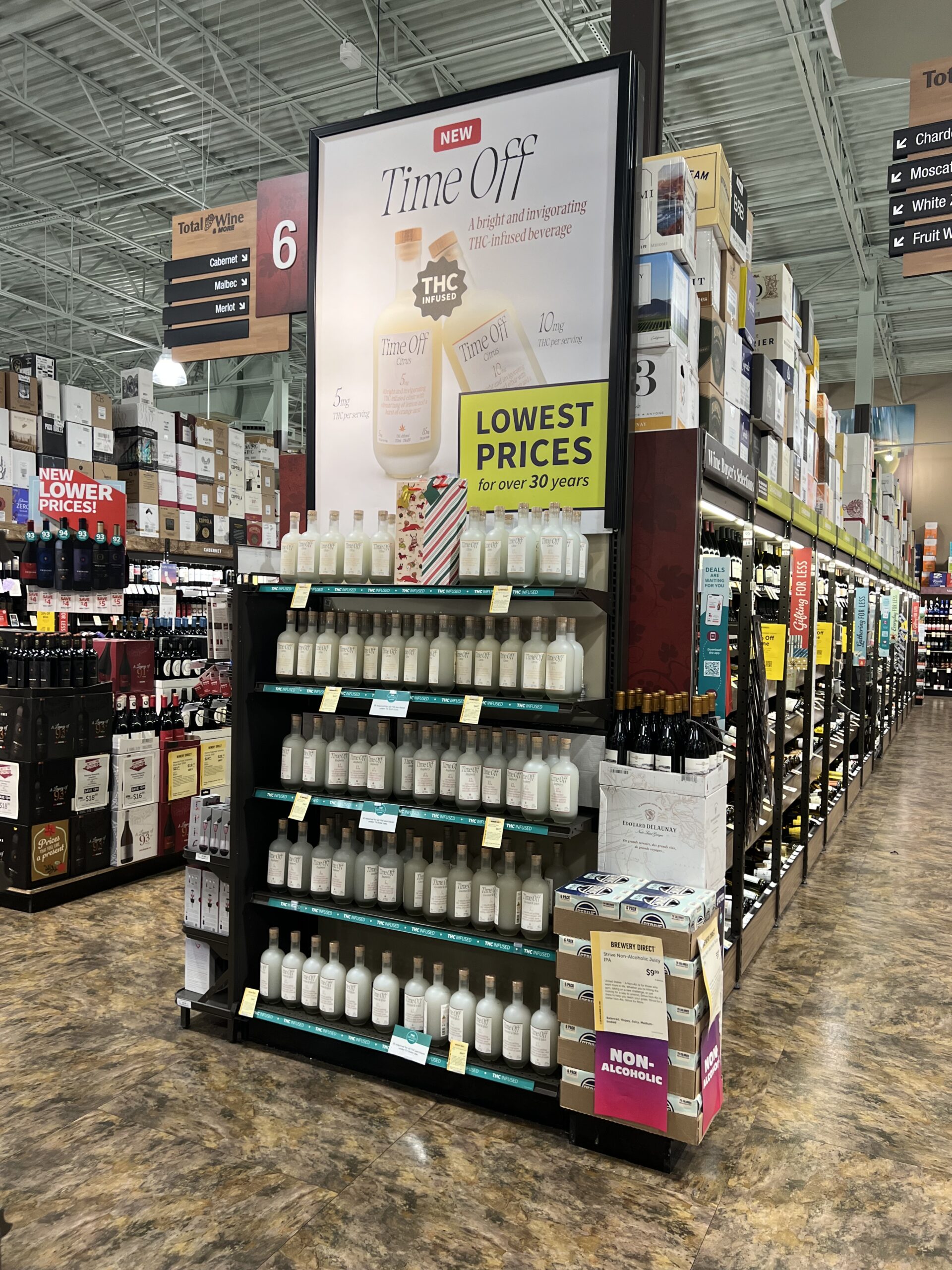
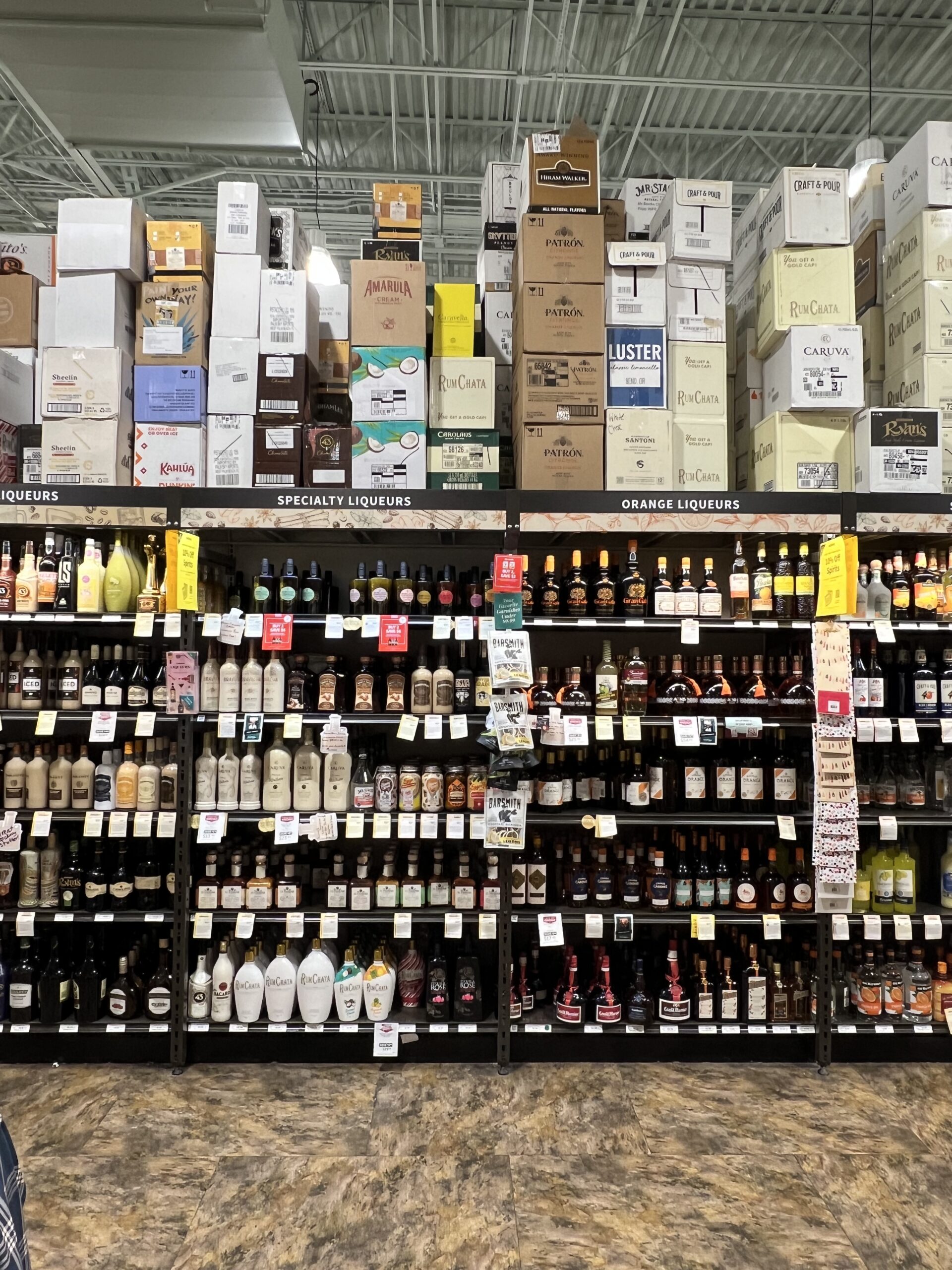
Another fundamental point is the relationship with suppliers. Total Wine does not work with private label brands. And this is no accident. It is philosophy. They prefer to strengthen small producers, value family businesses, create visibility for BIPOC and LGBTQ+ entrepreneurs, and negotiate directly with wineries when legally permitted. The logic is simple. Long-term relationships are worth more than an immediate margin.
For retail specialists, these points may not seem new. And indeed, there is nothing new here, but everything works extremely well. While many search for silver bullets to remain relevant, others simply execute exceptionally well what we already know delivers results.
People who turn shopping into discovery
The experience is not just about structure. The brand highly values the human pillar. A large share of the consultants circulating in the store are 50+, demonstrating that Total Wine is aligned with current inclusion movements. From a technical standpoint, the store team masters the assortment and speaks fluently about the various categories. The approach, however, is close, engaging, and accessible, almost like an informal chat between friends.
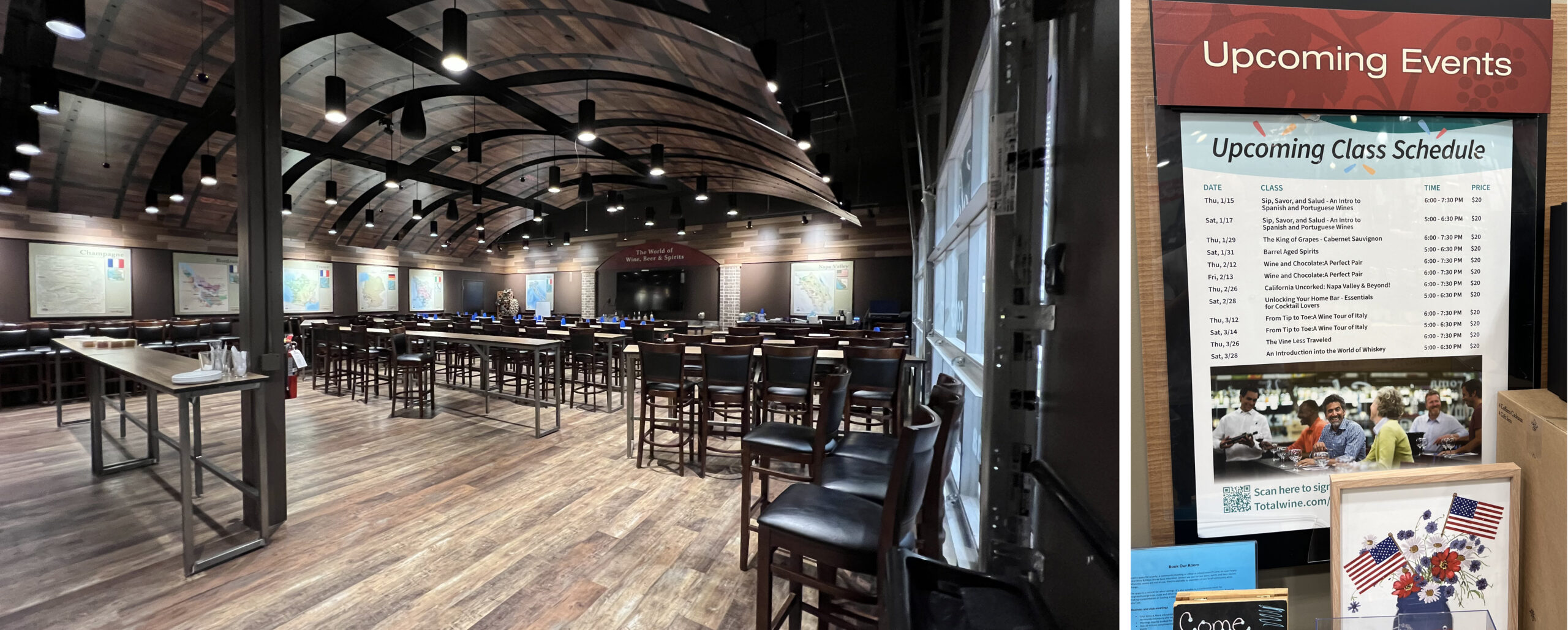
For consumers seeking to deepen their knowledge of the beverage universe, the chain offers weekly workshops led by specialists across various areas. The schedule is available across all brand channels, and activities can be easily booked at highly accessible prices. Those who are part of the rewards program also receive a pair of tickets for six workshops per year, in addition to other benefits.
Omnichannel that solves, not complicates.
Total Wine’s technology is not an accessory. It is the infrastructure of a consumer-centered experience. Digital integration with physical stores works smoothly and effectively. Before the pandemic, only 2% of sales were digital. Today, they exceed twenty percent. Pickup works in two formats. Curbside, where customers receive their order without leaving the car, or inside the store, for those who prefer to come in and enjoy the environment. Delivery is even more relevant. Orders arrive at a scheduled time, a valuable differentiator for those who do not want to be stuck waiting, something increasingly rare in American retail.
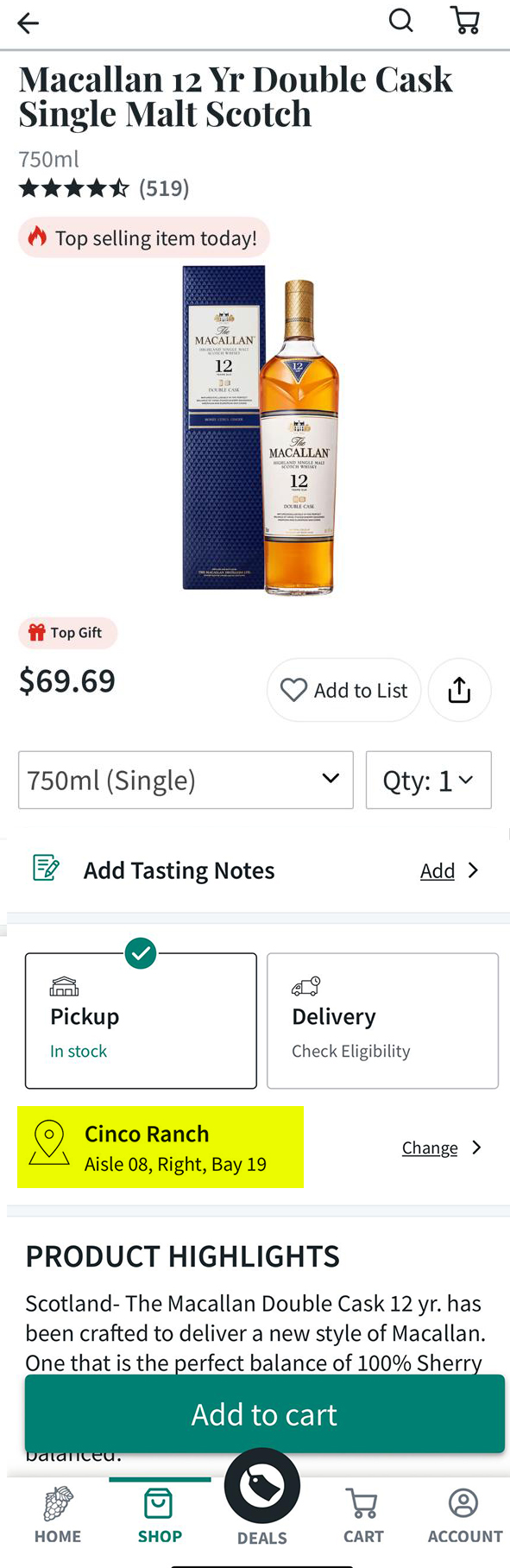
Finally, the app connects all these points and goes further. It efficiently locates products at their exact locations within the store. Aisle. Side. Shelf position. This eliminates one of the main sources of frustration in pharmacy and grocery retail. In large stores with thousands of SKUs, many consumers waste time searching for products they ultimately do not find. This “invisible product” generates millions in losses every year. At Total Wine, this pain point virtually disappears. Technology gives consumers their time back and ensures no one leaves the store without finding what they were looking for.
When a store is truly worth the visit
Total Wine built an empire by doing the basics with depth and the sophisticated with natural ease. Competitive pricing, an encyclopedic assortment, specialized service, intelligent technology, strong relationships with small producers, and omnichannel delivery that provides real convenience. In a fast-paced world, the brand demonstrates that experience remains a competitive advantage. Ultimately, the lesson is simple. A store is only worth visiting when it delivers value to the customer’s time. And Total Wine delivers. In every aisle. In every discovery. In every well-resolved purchase. What a twist!
What a twist!